
Top AI Research Trends and Their Applications in Real Life


Introduction to AI Research Trends
The field of artificial intelligence (AI) is evolving at an unprecedented pace, with new breakthroughs and applications emerging regularly. As AI continues to integrate into various industries, understanding the latest research trends is crucial. This post explores some of the top AI research trends and their real-life applications, highlighting how they are reshaping different sectors.

Natural Language Processing (NLP)
Natural Language Processing is a branch of AI that focuses on the interaction between computers and humans through language. Recent advancements in NLP have led to the development of sophisticated models like GPT-3 and BERT, which have significantly improved the accuracy of language translation, sentiment analysis, and chatbots.
In real life, NLP is transforming customer service by enabling virtual assistants to provide 24/7 support. Businesses use NLP to analyze customer feedback, enhancing their products and services based on real-time insights.
Computer Vision
Computer vision involves teaching machines to interpret and understand the visual world. Recent research has focused on improving image recognition, object detection, and facial recognition technologies. These advancements have practical applications in security, healthcare, and retail.
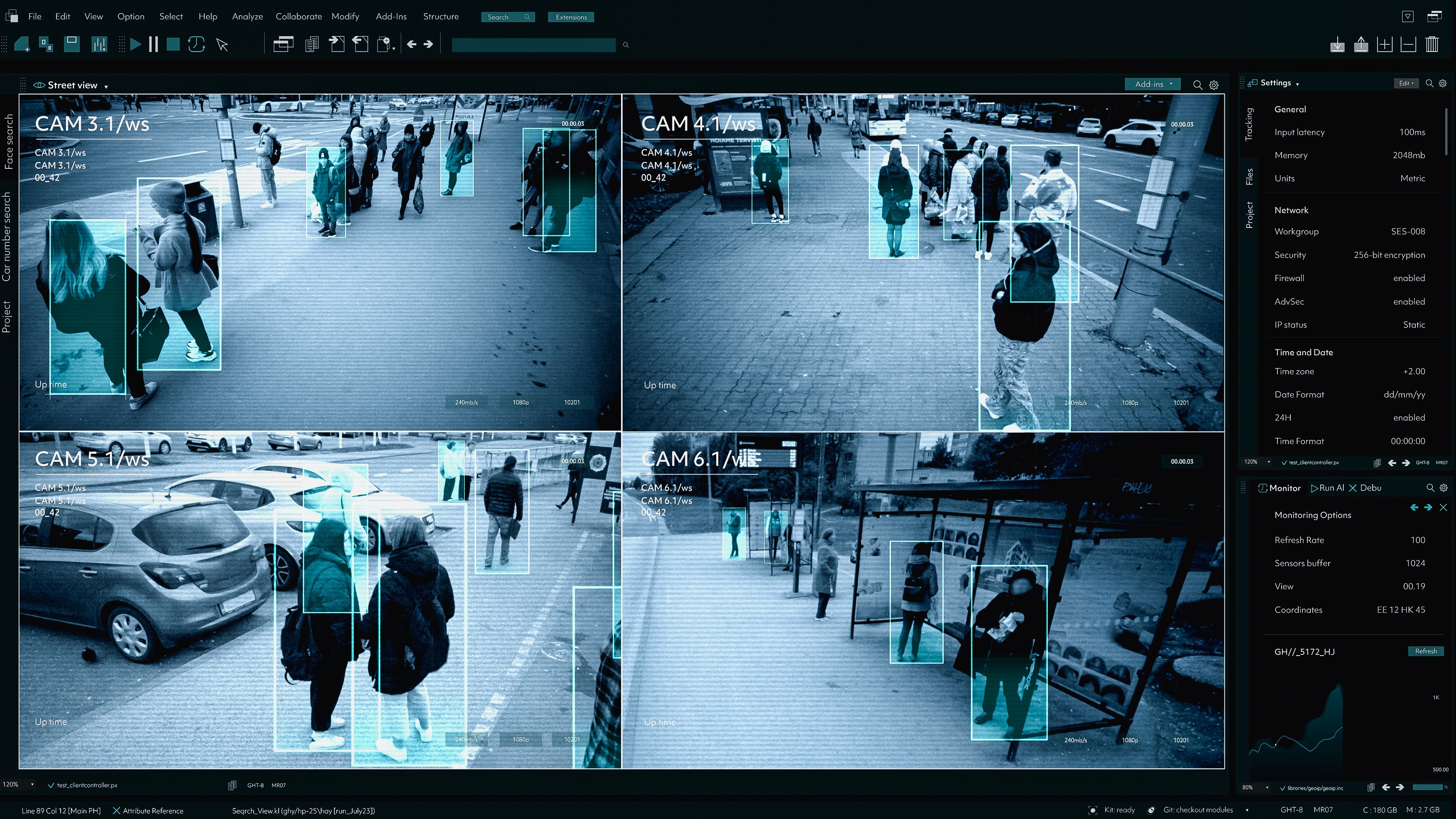
In healthcare, computer vision aids in diagnosing diseases through medical imaging. In retail, it enhances the shopping experience through virtual try-ons and automated checkout systems.
Reinforcement Learning
Reinforcement learning is a type of machine learning where agents learn to make decisions by interacting with their environment. This trend has gained traction due to its success in training AI to master complex games like Go and Dota 2.
Real-life applications of reinforcement learning include autonomous vehicles, where AI systems learn to navigate and make driving decisions. It is also used in optimizing supply chain logistics and energy management systems.
AI Ethics and Fairness
As AI becomes more pervasive, ethical considerations and fairness in AI systems are gaining attention. Researchers are focusing on building models that are transparent, unbiased, and respect user privacy. This trend addresses societal concerns about the implications of AI on privacy and discrimination.

In real life, companies are adopting ethical AI practices to ensure their systems do not perpetuate bias. This is particularly crucial in areas like hiring, lending, and law enforcement, where AI-driven decisions can have significant impacts on individuals' lives.
Conclusion
The rapid advancements in AI research are opening up new possibilities and transforming industries across the globe. By staying informed about these trends, businesses and individuals can leverage AI technologies to drive innovation and address real-world challenges. As we continue to explore the potential of AI, it is essential to consider both its capabilities and the ethical implications of its use.