
The Future of AI: Emerging Trends and Innovations


Introduction
The rapid evolution of artificial intelligence (AI) is transforming industries across the globe. As we look to the future, several emerging trends and innovations stand out, promising to reshape the landscape of technology and human interaction.

AI in Healthcare
One of the most promising areas for AI advancement is healthcare. From predictive analytics to personalized medicine, AI is enhancing the way we diagnose and treat diseases. AI-driven tools can analyze vast amounts of data quickly, providing insights that were previously unattainable.
Personalized Treatment
AI enables the development of personalized treatment plans by analyzing genetic information and patient history. This leads to more effective and efficient healthcare solutions, tailored to individual needs.

AI and the Workforce
The integration of AI into the workforce is a double-edged sword. While it offers increased efficiency and productivity, it also raises concerns about job displacement. However, the future may hold a more collaborative approach, where AI and humans work side by side.
Reskilling and Upskilling
To adapt to these changes, there will be an increased emphasis on reskilling and upskilling the workforce. Companies and educational institutions are already investing in training programs to prepare employees for a future dominated by AI.

AI in Everyday Life
AI is becoming an integral part of our daily lives, from virtual assistants to smart home devices. These technologies are designed to make life more convenient, efficient, and enjoyable.
Smart Homes and Cities
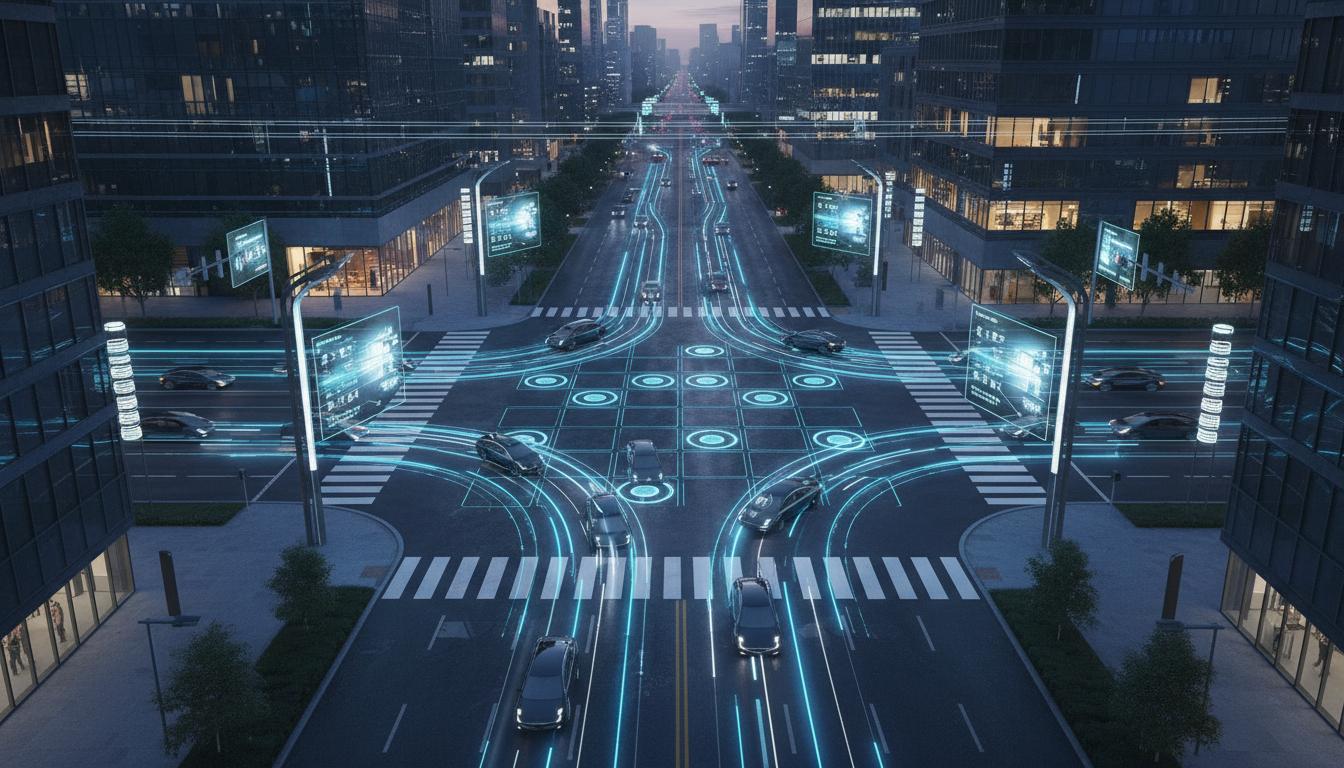
The concept of smart homes and cities is no longer futuristic. AI-driven systems manage everything from energy consumption to traffic flow, creating more sustainable and livable environments.
Ethical Considerations
As AI continues to evolve, ethical considerations become increasingly important. Issues such as privacy, bias, and decision-making transparency are at the forefront of discussions surrounding AI development.
Ensuring Fairness and Transparency
Developers and policymakers must work together to ensure AI systems are fair and transparent. This involves rigorous testing and validation to prevent bias and ensure equitable outcomes.

Conclusion
The future of AI is both exciting and challenging, with numerous opportunities and obstacles ahead. By focusing on innovation, collaboration, and ethical practices, we can harness the full potential of AI to create a better world for everyone.