
Demystifying AI for Good: How Artificial Intelligence is Changing the World


Artificial Intelligence (AI) is no longer a concept confined to the realm of science fiction. It has permeated our daily lives, impacting everything from how we work to how we interact with technology. But beyond its commercial applications, AI is making significant strides in solving some of the world's most pressing challenges. In this blog post, we'll explore how AI is being harnessed for good, transforming industries and improving lives across the globe.
AI in Healthcare
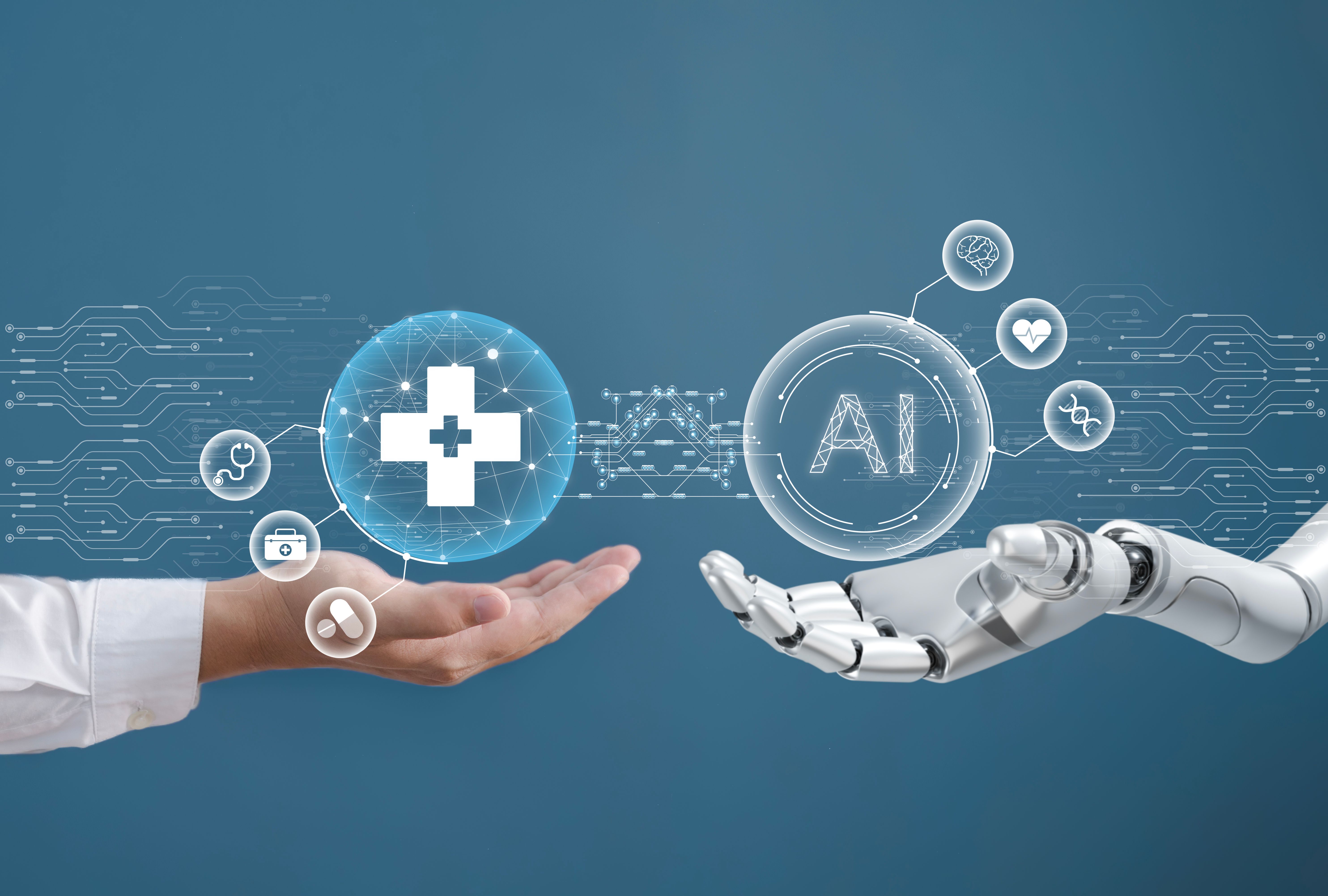
One of the most promising fields where AI is making a substantial impact is healthcare. AI-driven tools are revolutionizing diagnostics, enabling faster and more accurate detection of diseases. For instance, AI algorithms can analyze medical images to identify signs of illnesses such as cancer, often outperforming human experts.
Moreover, AI is being used to develop personalized treatment plans. By analyzing patient data, AI systems can recommend therapies tailored to individual needs, improving outcomes and reducing side effects. This personalized approach is a game-changer in the treatment of complex diseases.
AI for Disease Prediction
AI is also instrumental in predicting disease outbreaks. By analyzing vast amounts of data from various sources, including social media and health records, AI models can forecast the spread of diseases, allowing for timely interventions. This predictive capability is crucial for managing pandemics and preventing widespread health crises.
AI in Environmental Conservation
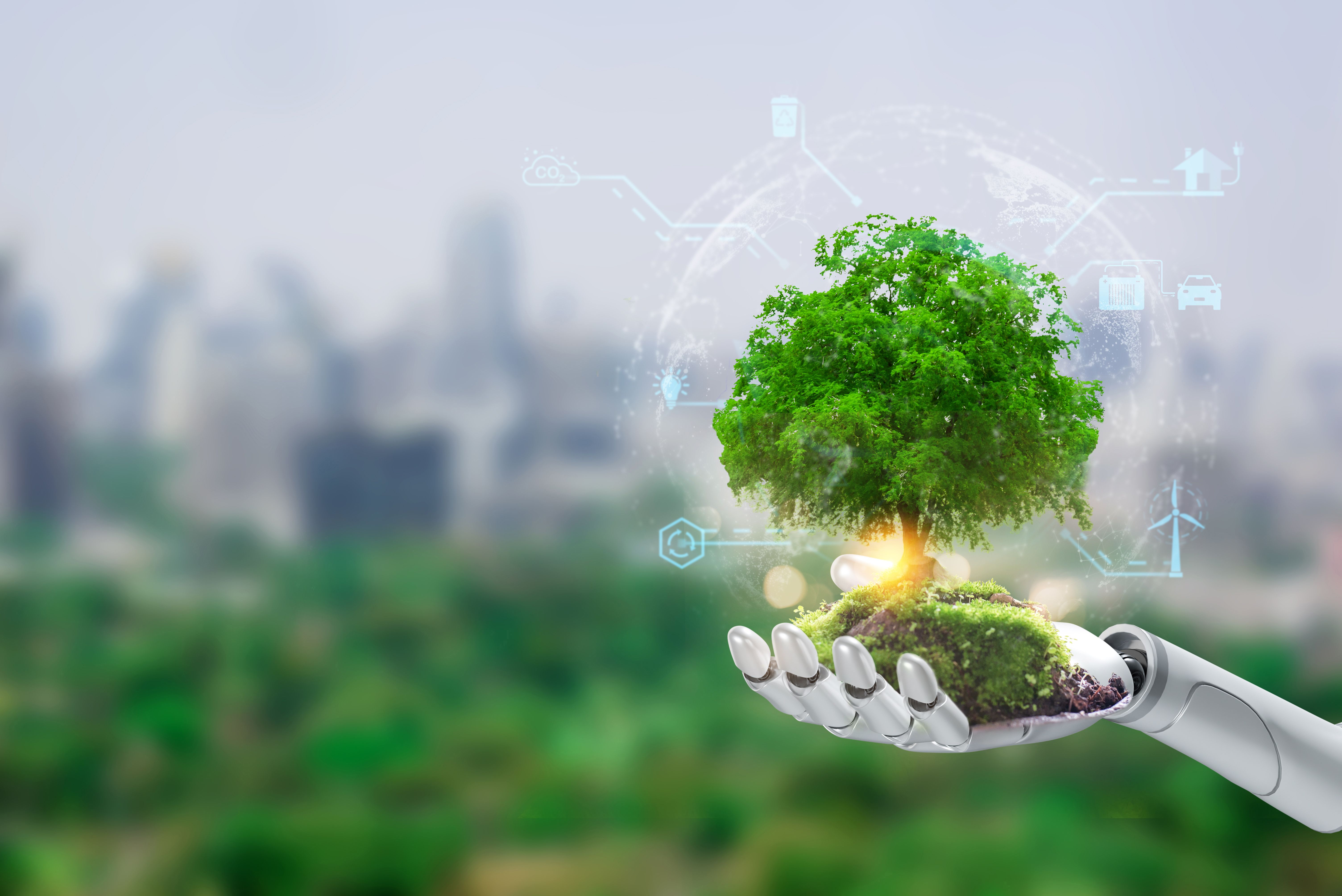
Beyond healthcare, AI is playing a pivotal role in environmental conservation. Machine learning algorithms are used to monitor wildlife populations, track illegal poaching activities, and manage natural resources more efficiently. By providing real-time data, AI helps conservationists make informed decisions to protect endangered species and habitats.
Combating Climate Change
AI is also being leveraged to address climate change. By optimizing energy consumption and improving the efficiency of renewable energy sources, AI can significantly reduce carbon emissions. Additionally, AI models are used to predict climate patterns, helping governments and organizations to develop strategies for mitigating the impact of climate change.
AI in Education
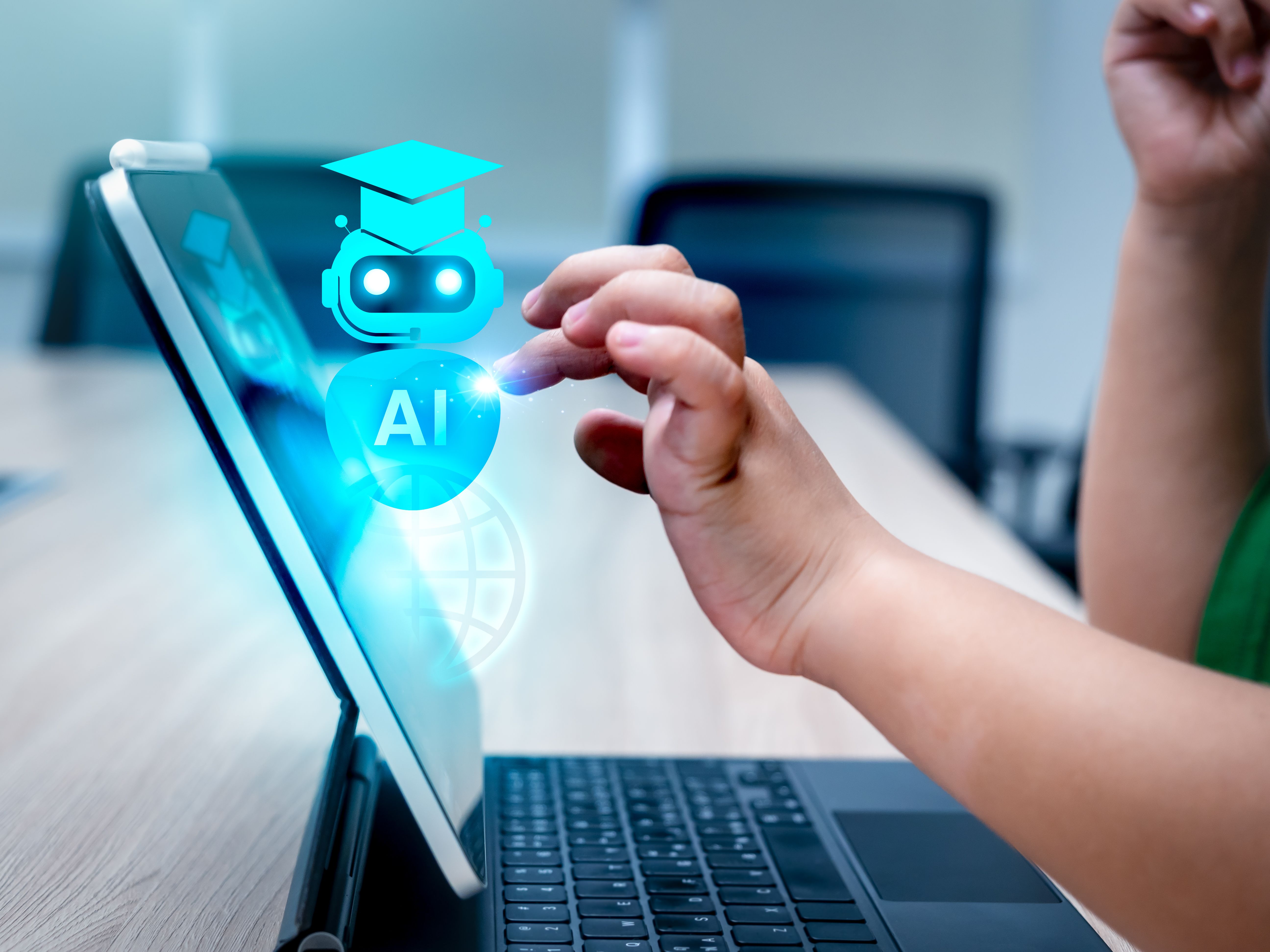
In the field of education, AI is transforming how students learn and educators teach. AI-powered platforms offer personalized learning experiences, adapting to individual student's pace and learning style. This personalized approach helps students to better understand complex subjects and enhances the overall learning experience.
Furthermore, AI is being used to automate administrative tasks, allowing educators to focus more on teaching and less on paperwork. By streamlining these processes, AI helps educational institutions operate more efficiently.
Bridging Educational Gaps
AI also plays a critical role in bridging educational gaps. By providing access to quality educational resources online, AI helps students from underserved communities gain the skills and knowledge they need to succeed. This democratization of education is essential for building a more equitable society.
As AI continues to evolve, its potential for good is limitless. By harnessing its power responsibly, we can address some of the world's most pressing challenges and create a better future for all. Whether it's in healthcare, environmental conservation, or education, AI is proving to be an invaluable tool in shaping a more sustainable and equitable world.